
Gambling addiction: Signs, symptoms, and seeking help effectively
Understanding Gambling Addiction
Gambling addiction, also known as compulsive gambling or ludomania, is a behavioral disorder characterized by an uncontrollable urge to wager money or valuables. This condition can lead to dire financial, personal, and social consequences. Recognizing the signs is crucial, as early intervention can significantly increase the chances of recovery. Many individuals may not realize they have a problem until it begins to impact their lives negatively.
The urge to gamble may stem from various factors, including emotional distress, the thrill of risk-taking, or even the desire to escape from life’s pressures. To learn more, one must acknowledge the subtleties of this addiction, which often disguises itself among regular recreational gambling activities.
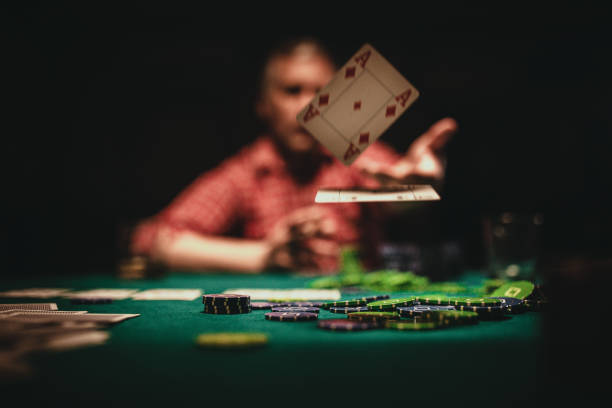
Signs of Gambling Addiction
One prominent sign of gambling addiction is the preoccupation with gambling, where individuals constantly think about past gambling experiences, plan future bets, or even contemplate ways to obtain money for gambling. This fixation can lead to neglect of personal and professional responsibilities as people prioritize gambling above all else.
Additionally, individuals may often borrow money or sell belongings to fund their gambling habits. They may also experience feelings of irritability or restlessness when attempting to cut back on gambling activities. Such behaviors indicate that the gambling activity has escalated beyond mere entertainment and into the realm of addiction.
Symptoms of Gambling Addiction
Symptoms of gambling addiction manifest in various forms, including emotional and behavioral shifts. Individuals may experience anxiety or depression as a result of their gambling activities, which can create a vicious cycle of dependency. They may find themselves lying about their activities or engaging in deceptive behavior to conceal their gambling habits from family and friends.
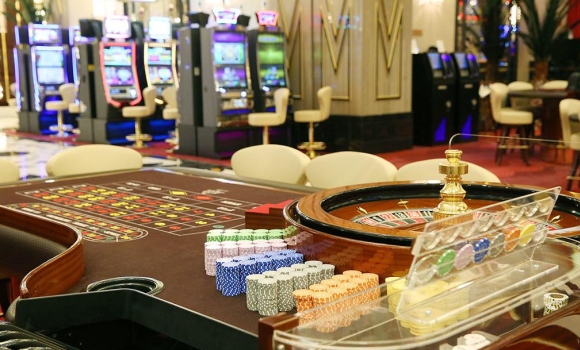
Moreover, withdrawal symptoms can occur when they attempt to stop gambling. This may include feelings of intense despondency, restlessness, or significant mood swings. These emotional cues are impelling signs that professional help may be required to address the addiction.
Seeking Help for Gambling Addiction
Obtaining help for gambling addiction can be challenging, but it is a crucial step toward recovery. Various treatment options are available, including behavioral therapies, support groups, and sometimes medication. Behavioral therapies often focus on altering harmful thought patterns related to gambling, aiming to replace them with more constructive coping mechanisms.
Support groups, such as Gamblers Anonymous, provide a communal space for individuals to share experiences and receive encouragement. These support networks can play a vital role in preventing relapse and fostering a strong sense of accountability among members, enhancing their chances of overcoming addiction.
About Our Website
Our website serves as a valuable resource for individuals seeking to understand gambling addiction and find effective ways to cope and recover. We aim to provide insightful information, tools, and strategies that empower individuals and families affected by gambling addiction. Through resources such as articles, links to professional help, and community support options, we strive to foster a supportive environment.
We believe that no one should face gambling addiction alone. By collaborating with mental health professionals and providing clear, accessible information, we are committed to helping those in need find the support they deserve.